By SmashMeals Editorial — 2026-09-29 — Health & Nutrition
The short answer
Fresh September 2026 guidance reinforces a practical pattern for many people using GLP-1 medicines: prioritize adequate protein and nutrient-dense foods, use smaller meals when fullness arrives early, stay hydrated, and individualize the plan with your care team.
Key facts
- Mayo Clinic Press published updated GLP-1 nutrition guidance in late September 2026.
- The 2026 ADA obesity standards call for adequate protein intake and monitoring nutritional adequacy during obesity-medication treatment.
- A 2026 cardiovascular-kidney-metabolic guideline recommends smaller, more frequent meals and hydration when managing gastrointestinal effects of GLP-1-based therapies.
- There is no single meal or protein target that is appropriate for every GLP-1 user.
KINGSPORT, Tenn., Sept. 29, 2026 — New late-September nutrition guidance is sharpening one of the biggest food questions surrounding GLP-1 medicines: when appetite gets smaller, what should take priority on the plate?
The answer is not a branded “GLP-1 food.” Recent guidance instead keeps returning to a practical framework: adequate protein, nutrient-dense foods, hydration and portions that are manageable when fullness arrives early.
Educational only — not medical advice. SmashMeals is a food company and is not affiliated with or endorsed by any medication manufacturer or medical publisher.
Why smaller appetite changes the food decision
Reduced hunger can mean fewer eating opportunities. That makes the quality of the food that does get eaten more important. The American Diabetes Association's 2026 obesity standards specifically call for monitoring nutritional adequacy during obesity-medication treatment and paying attention to adequate protein intake.
This does not mean everyone needs the same gram target. Individual needs can change with body size, activity, kidney or heart conditions, age and other factors.
Smaller meals can be a strategy, not a failure
A 2026 cardiovascular-kidney-metabolic guideline recommends eating smaller meals more frequently, eating slowly, stopping when full and staying hydrated when managing gastrointestinal adverse effects of GLP-1-based therapies. The practical point is simple: a smaller plate can be intentional.
Where prepared meals fit
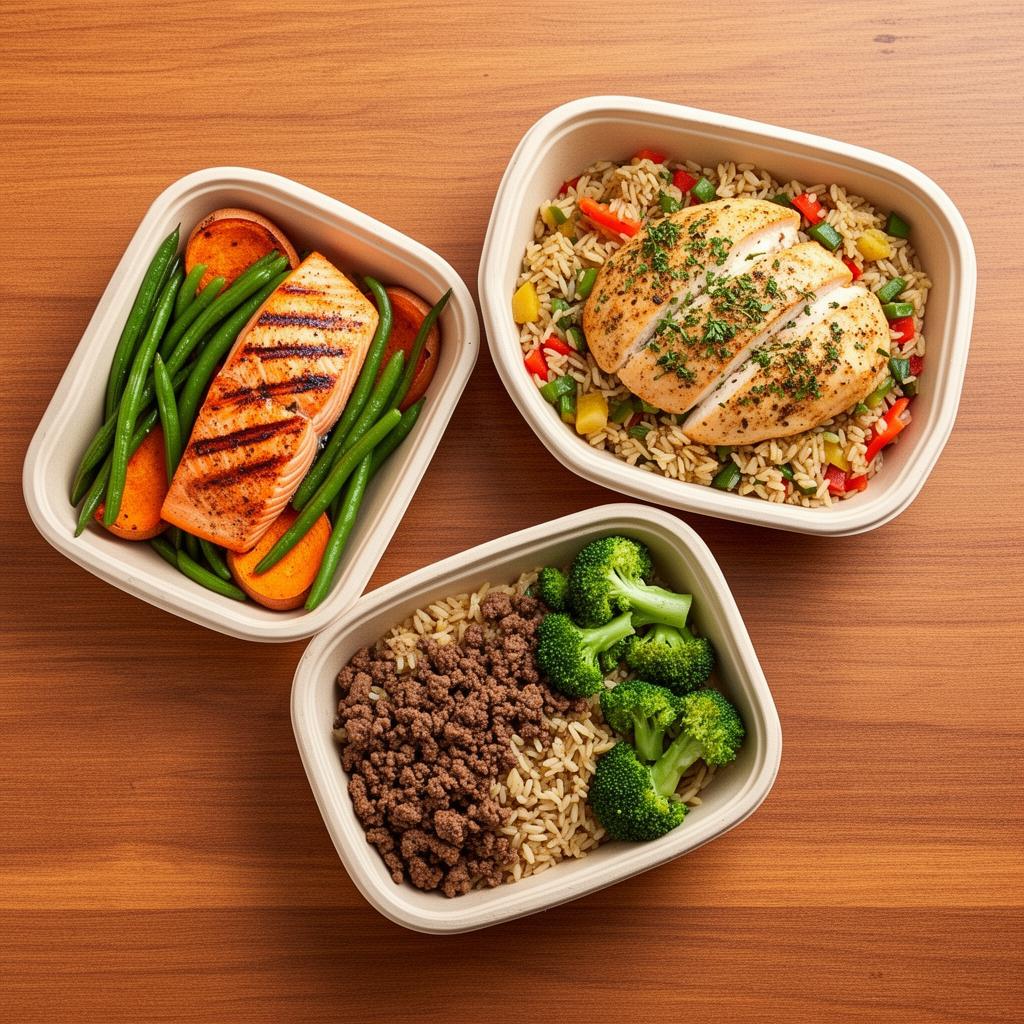
Prepared food can remove one friction point: deciding what to cook when appetite is already low. SmashMeals publishes nutrition information so customers can compare the weekly menu and choose meals that fit their own plan. The current menu changes, so shoppers should use the nutrition information shown on the meal they are actually ordering rather than relying on an old example.
For a deeper look at the research, read our GLP-1 protein and nutrient-intake report, then see the GLP-1 meal guide or 7-day GLP-1 meal plan.
Commentary, not medical advice
The SmashMeals perspective
SmashMeals does not prescribe a GLP-1 diet. Our role is simpler: make fully prepared food easy to compare by portion, ingredients and posted nutrition information, so customers can choose meals that fit the plan they have established with their clinician or dietitian.
Frequently asked questions
Should everyone taking a GLP-1 eat the same amount of protein?
No. Protein needs vary with body size, age, activity, medical conditions and the overall treatment plan. Use food labels to compare options and ask your prescriber or registered dietitian for an individualized target.
Does SmashMeals treat GLP-1 side effects?
No. SmashMeals is a food company, not a medical provider. Persistent vomiting, dehydration, severe abdominal pain or other concerning symptoms should be discussed with the prescribing clinician.
Sources and credits
Follow the original sources for context and verification. A reference is not an endorsement of SmashMeals.
- GLP-1 Nutrition: What to Eat (opens in a new tab)
Mayo Clinic Press
Why it matters: Recent practical guidance on protein, hydration, nutrient-rich foods and common GI symptoms.
- Pharmacologic Treatment of Obesity in Adults: Standards of Care in Overweight and Obesity (opens in a new tab)
American Diabetes Association
Why it matters: Clinical standards addressing adequate nutrition, protein intake and muscle-strengthening activity during obesity treatment.
- 2026 AHA/ACC/ADA/ASN Guideline for Cardiovascular-Kidney-Metabolic Syndrome (opens in a new tab)
JACC
Why it matters: Includes practical management guidance for GI effects of GLP-1-based therapies.