By Lew Kizer — 2026-04-15 — Health & Nutrition
JOHNSON CITY, Tenn. — Protein remains one of the hottest words in food marketing in 2026, but nutrition experts say another nutrient is quietly becoming just as important: fiber.
Industry and academic reporting this year has pointed to protein and fiber as two of the biggest nutrition trends shaping new products and consumer demand. At the same time, clinicians continue to warn that GLP-1 users and low-carb dieters can run into problems if they focus on protein alone and neglect digestive health, hydration, and overall diet quality.
The Protein Rush
There is a reason protein keeps winning attention. It is associated with satiety, muscle support, and better meal staying power. The new federal Dietary Guidelines also put strong emphasis on protein foods in 2026.
That has helped push high-protein meals, shakes, bars, snacks, and menu labeling into the mainstream.
The Fiber Problem
But the most effective meals may be the ones that do more than pile on protein.
Fiber matters for digestion, fullness, and gut health. Mayo Clinic has highlighted fiber's role in supporting the gut microbiome, while Mayo's guidance on GLP-1 side effects notes that changes in digestion and bowel habits are common during treatment.
For consumers dealing with reduced appetite, nausea, or constipation, that makes meal composition more important than ever.
What Better Meal Design Looks Like
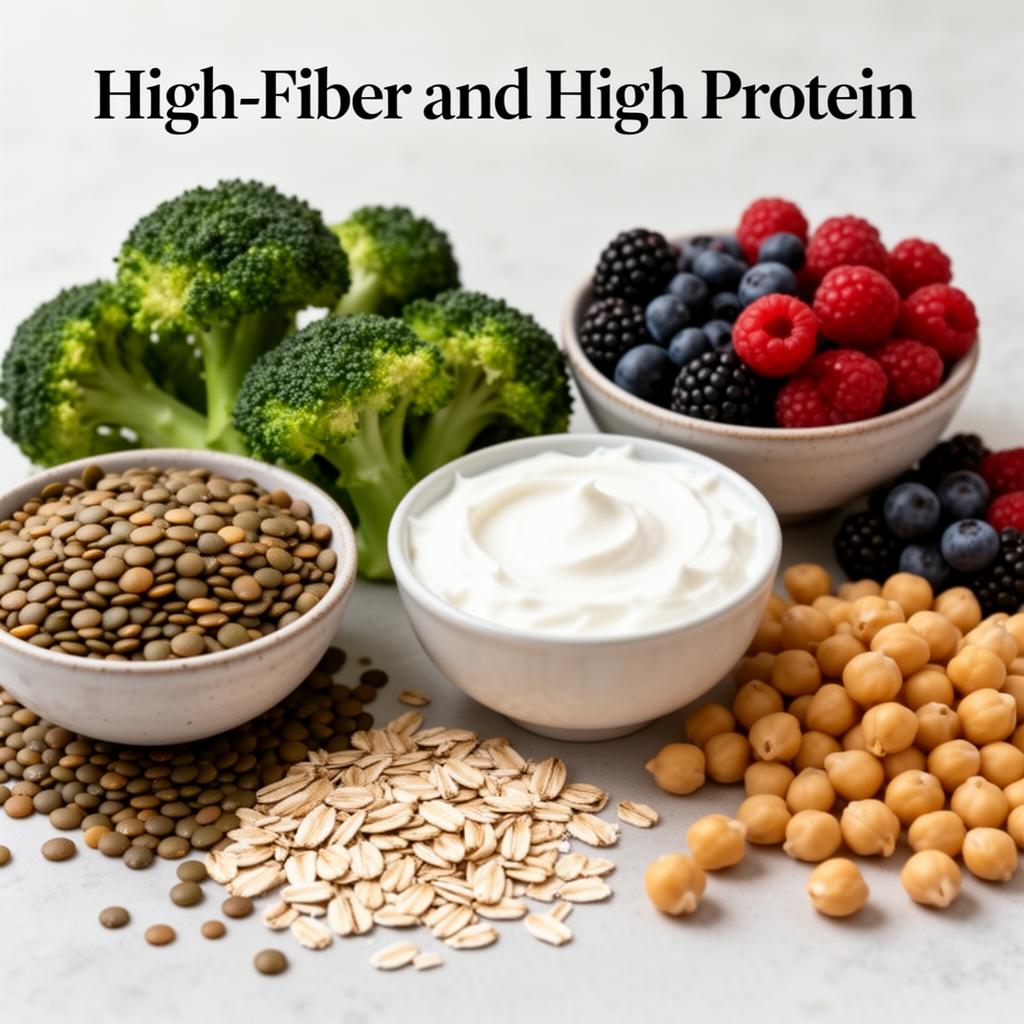
The winners in this category may be meals that combine protein with vegetables, beans, fruit, oats, or other whole-food fiber sources, instead of simply chasing giant protein numbers on a label.
That is especially relevant for prepared meal companies, because customers increasingly want meals that are functional in real life, not just impressive on Instagram.
In 2026, the smartest nutrition story may not be protein versus fiber.
It may be protein plus fiber, served in portions people will actually finish.