By SmashMeals Editorial — 2026-05-13 — Health & Nutrition
The Peptide Boom Is Real — And It Is Misunderstood
Walk into any concierge medical practice, longevity clinic, or men's health center in 2026 and one acronym dominates the conversation: GHRH. Growth hormone-releasing hormone analogs — the family of peptides led by Sermorelin — have become the wellness world's answer to what people used to chase with synthetic HGH a generation ago. According to Innerbody Research's 2026 peptide review, Sermorelin is a synthetic peptide that mimics the body's natural growth hormone-releasing hormone, signaling the pituitary gland to produce more of the body's own growth hormone rather than introducing synthetic HGH directly. This distinction matters: where synthetic HGH overrides the body's feedback loops, Sermorelin works with them, producing a more physiologic, pulsatile growth hormone release that more closely mirrors what a healthy 25-year-old's body does on its own.
The reported benefits, drawn from clinical and wellness practice across the United States, are substantial. According to a comprehensive review published by Concierge MD, potential Sermorelin benefits include increased muscle mass, fat loss, faster recovery, stronger immune function, improved bone density, and heightened energy. Research summarized at Swolverine notes that elevated growth hormone and IGF-1 levels — the downstream effects of Sermorelin — promote collagen synthesis, muscle regeneration, and joint healing, and that Sermorelin specifically boosts slow-wave (deep) sleep, the phase most associated with growth hormone secretion. As Dr. John Kopchick has noted in published research, growth hormone "promotes nitrogen retention, supports protein synthesis, and accelerates soft tissue healing." Dr. Shlomo Melmed, writing in the Journal of Clinical Endocrinology & Metabolism, has noted that growth hormone has "potent lipolytic effects that can help decrease fat mass while maintaining muscle — a critical component of body recomposition."
But here is the part most peptide clinics do not put on the brochure: every one of those benefits — muscle growth, fat loss, recovery, collagen synthesis, even sleep architecture — requires raw materials. Specifically, it requires amino acids. Specifically, it requires protein. And specifically, it requires that protein to be delivered consistently, multiple times a day, in clean, bioavailable, anti-inflammatory form. Without that input, the peptide is firing signals into an empty warehouse. The pituitary releases growth hormone. The growth hormone signals the liver to release IGF-1. The IGF-1 signals muscle cells to grow. And the muscle cells, finding no amino acids available, do nothing. The injection becomes an expensive form of cellular shouting into an empty room.
The Sermorelin Stack: What the Pituitary Actually Needs From Your Plate
Abundant Life Healthcare, in a recent clinical overview of Sermorelin therapy published in 2026, was direct about this: "There is no 'magic pill' for anti-aging, weight loss, or muscle building. While Sermorelin.. may provide benefits such as increased lean body mass, improved energy, and enhanced recovery for some patients, it is not a standalone solution." Their team explicitly emphasizes that the benefits "are significantly diminished" without a structured exercise routine and balanced nutrition plan. R2 Medical Clinic's peptide protocols, published in 2026, carry the same message: peptide therapy is a multiplier, not a replacement. The body still has to be fed.
What does "fed" actually mean for a peptide patient? The most consistent recommendation across peptide-prescribing clinics is a high-protein, anti-inflammatory, whole-food eating pattern with strategic carbohydrate timing around training and sleep. Most providers recommend 1.0 to 1.6 grams of protein per kilogram of body weight per day for adults on growth hormone-supporting peptides — and at the upper end of that range for adults over 40 who are stacking Sermorelin with Ipamorelin or CJC-1295 specifically for body recomposition. For a 200-pound man, that is roughly 90 to 145 grams of protein per day, every day, distributed across four to five eating windows to maximize muscle protein synthesis. Research consistently shows the body can effectively utilize approximately 25 to 30 grams of protein per meal for muscle protein synthesis — meaning the daily target is not just about totals, it is about distribution.
Hitting that target while running a business, raising a family, or training five times a week is where most peptide patients fail. This is not a failure of discipline. It is a failure of infrastructure. You cannot grocery shop, prep, cook, portion, and clean for four to five protein-anchored meals a day on top of a real life. Something has to give, and what usually gives is the protein. The patient ends up eating a clean breakfast, an under-protein lunch, a stress snack, and a takeout dinner — and the peptide protocol that cost them several thousand dollars produces a fraction of the expected result.
The Sleep-Recovery-Protein Loop That Peptides Activate
Here is what makes Sermorelin and its peptide cousins fundamentally different from a stimulant or a fat-burner: they work primarily at night. Growth hormone is released in pulses, the largest of which occurs during slow-wave sleep. Sermorelin amplifies this nighttime pulse. According to research cited by Swolverine, "Sermorelin enhances the body's natural nighttime growth hormone pulse, leading to improved sleep quality and restorative function." This means the most important window for a peptide patient is not the gym — it is the four hours of deep sleep starting roughly 90 minutes after lights-out.
This is where the dinner plate becomes critical. A peptide patient eating fast food at 8 p.m. is going to bed with high blood sugar, elevated insulin, suppressed growth hormone signaling, and inflammation from seed oils and refined grains. A peptide patient eating a 10-ounce Smash Meals entree — 4 ounces of clean grilled protein, complex carbohydrate, vegetables, and zero gluten or refined oils — is going to bed with stable blood sugar, steady amino acid release, and an anti-inflammatory baseline. The peptide fires into the second body, not the first.
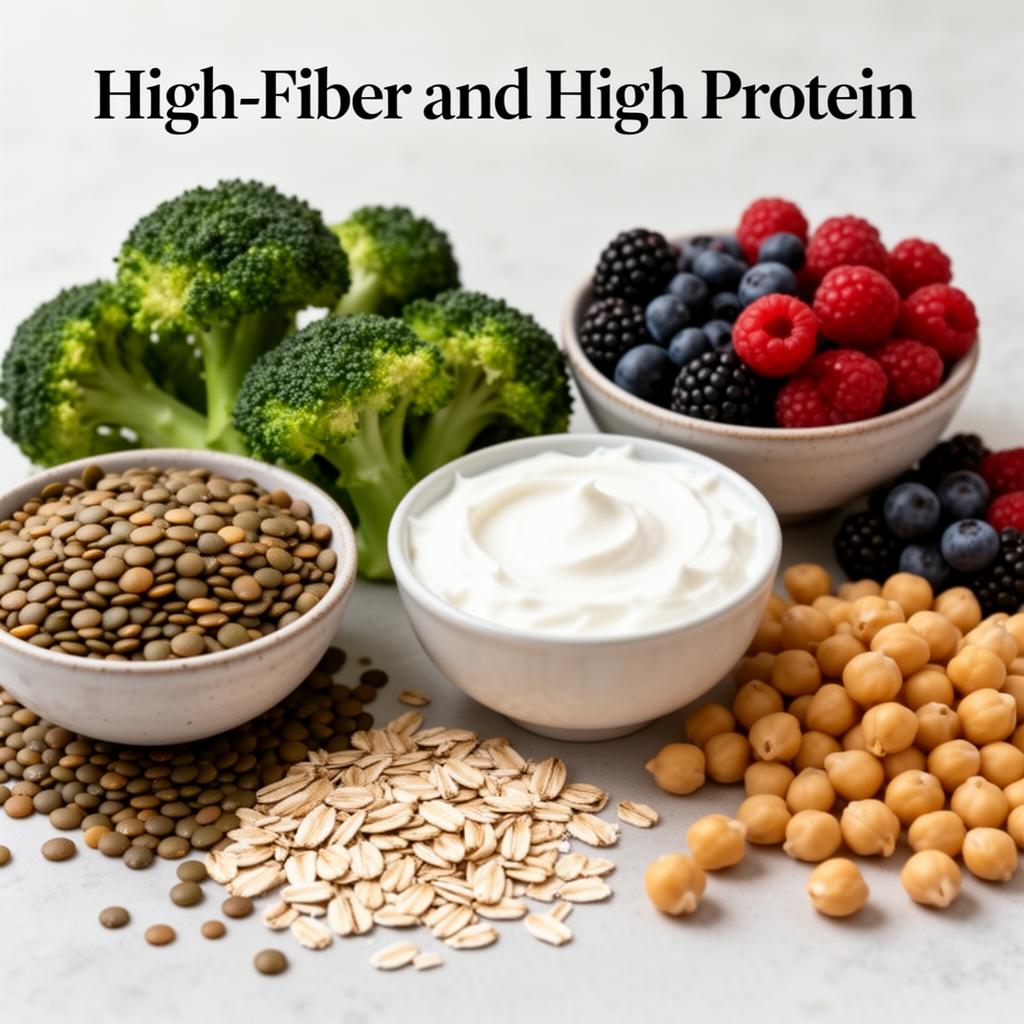
This is not theoretical. This is biochemistry. Elevated nighttime insulin is one of the most potent suppressors of growth hormone release. Inflammation from gluten or seed oils elevates cortisol, which directly antagonizes growth hormone. A late-night meal of refined carbohydrates and industrial fats essentially cancels the Sermorelin injection that night. A late-night Smash Meals entree — paired with a casein-rich snack like Greek yogurt for slow-release protein during sleep, as recommended by Dr. Jaclyn Leong of UCI Health — primes the body to receive maximum benefit from the peptide pulse. The injection costs the same either way. The result does not.
This is why peptide clinics increasingly recommend specific meal prep partners to their patients. The injection is the easy part. Building the food infrastructure that lets the injection do its job is the hard part. Smash Meals exists to solve the hard part.
BPC-157, TB-500, and the Recovery Peptides: Different Mechanism, Same Plate
Sermorelin is one player. The broader peptide world also includes BPC-157 (Body Protection Compound), TB-500, and IGF-1 LR3 — peptides used primarily for tissue repair, gut healing, tendon and ligament recovery, and post-injury rehabilitation. According to R2 Medical Clinic's published 2026 guide, "the best peptides for building muscle are Sermorelin-Ipamorelin-CJC-1295 (combination therapy), CJC-1295 with DAC, BPC-157, and IGF-1 LR3." These compounds work through different mechanisms — some stimulating growth hormone, others activating muscle protein synthesis directly, others promoting angiogenesis and tissue repair — but all of them share one downstream requirement: they need amino acids, they need anti-inflammatory inputs, and they need a gut that is healthy enough to absorb both.
Gut health is where the gluten-free piece becomes essential. Even patients without celiac disease can develop low-grade intestinal inflammation from regular gluten exposure. For a BPC-157 patient who is specifically using the peptide to heal the gut, eating gluten-containing food during the protocol is biochemically counterproductive. The peptide is signaling tissue repair while the diet is signaling inflammation. The body cannot do both at once. Smash Meals' 100% gluten-free kitchen removes this variable entirely. There is no flour in the building. There is no shared prep surface. There is no shared gluten production lines. Every meal that leaves our Kingsport facility is dedicated gluten-free by design — which means it is also peptide-protocol-compatible by design.
For peptide patients running combined protocols — Sermorelin for nighttime growth hormone, BPC-157 for joint healing, perhaps Ipamorelin or CJC-1295 stacked in — the nutritional foundation does not change. It is the same plate, every meal, every day. Protein-anchored. Gluten-free. Portion-defined. Real food, not bars and shakes.
The Smash Meals Peptide Protocol Plate
We have built our menu around the same principles peptide clinics teach their patients. Every entree centers on 4 ounces of clean, bioavailable protein — grilled chicken, smoked turkey, beef, fish, or plant-based options. Total portion size is 10 ounces, calibrated to provide adequate calories without overloading digestion. Our breakfast portions, at 7 ounces, are designed to deliver 25 to 30 grams of protein in a format the body can absorb within the morning amino acid window.
For an example day on a Sermorelin protocol: Greek Yogurt Granola Berries at breakfast (27g protein, 380 calories) — high in casein for sustained morning amino acid release. Thai Peanut Chicken with Cauliflower Rice at lunch (31g protein, 255 calories) — lean protein, low-glycemic carbohydrate, anti-inflammatory peanut for healthy fat. Grilled Chicken Salad with Ranch as an afternoon meal (24g protein, 263 calories) — clean protein paired with leafy greens for micronutrient density. A Smash Bar or our Peanut Butter Protein Bar as a snack — 8 to 12 grams of additional protein, no gluten. A fourth entree — Cheesy Chicken Pasta GF or Buffalo Chicken Pasta GF (our gluten-free pasta options) — for dinner, two to three hours before bed to clear blood sugar by sleep onset. Total: well over 110 grams of protein, all gluten-free, all anti-inflammatory, all ready to heat and eat. No grocery store. No knife work. No cleanup. Just amino acids meeting peptide signals exactly where they are supposed to meet them.
For patients adding casein at bedtime, a small serving of Greek yogurt or cottage cheese — paired with our Peanut Butter Yogurt Cup — completes the nighttime amino acid load. The Sermorelin pulse hits a body fully supplied with the slow-release amino acids it needs to build, repair, and recover overnight. By morning, the patient wakes into a body that has actually used the peptide.
Brisket, Real Smoke, and the Bioavailability Question
One more thing peptide patients need to hear: not all protein is created equal. Industrial fast-food meat — boiled in seed oils, injected with binders, cross-contaminated with gluten — does not deliver the same amino acid profile as slow-cooked, real-wood-smoked, whole-muscle protein. Smash Meals smokes brisket for 18 hours. Real smoke, low and slow, the way it has been done since 2017. The result is a protein that the body can absorb, that the gut can tolerate, and that the peptide can actually work with. The connective tissue breaks down into gelatin (rich in glycine and proline — two amino acids critical for joint and tendon repair, which is exactly what BPC-157 and TB-500 patients are working on). The muscle fibers become tender enough that digestion happens almost passively. The fat renders out, leaving lean protein with deep flavor.
"Most meal preps take fifteen minutes. Ours takes eighteen hours."
This is the kind of detail that separates a meal prep service from a meal infrastructure. Peptide patients pay attention to detail because their entire protocol is detail. Smash Meals matches that level of detail at the plate.
How Peptide Patients Across America Access Smash Meals
Peptide therapy is a national wellness trend. Patients are being treated in concierge clinics from Denver to Miami, from Seattle to New York. Smash Meals ships via FedEx Ground to eligible addresses from our commercial kitchen in Kingsport, Tennessee — covering most of the Eastern and Central United States, including the Tri-Cities (Kingsport, Johnson City, Bristol), Knoxville, Nashville, Chattanooga, Asheville, Charlotte, Atlanta, Cincinnati, Columbus, Pittsburgh, Lexington, Louisville, Washington D.C., Philadelphia, and dozens of other markets. We also serve the entire Tri-Cities region with local delivery, and we are a go-to meal prep option for athletes and active households who track high-protein nutrition.
Orders close Thursday at midnight. Local delivery and FedEx Ground begin the following week. Visit order.smashmeals.com or @SMASH_MEALS on Instagram to order.
The Bottom Line
Sermorelin, BPC-157, CJC-1295, Ipamorelin, IGF-1 LR3, and the broader peptide family are powerful tools — but they are amplifiers, not engines. They magnify what your body is already doing nutritionally. Feed your body inflammatory, gluten-contaminated, low-protein food, and the peptide amplifies inflammation, gluten reaction, and muscle loss. Feed your body clean, high-protein, gluten-free meals across four to five eating windows per day, and the peptide amplifies recovery, lean mass, and longevity.
The plate is the multiplier. At Smash Meals, the plate is what we do.
Eat Healthy...Live Healthy.
Convenience Without Compromise.
Fresh • Prepared • Ready to Go.
SmashMeals.com