By SmashMeals Editorial · Published · Updated
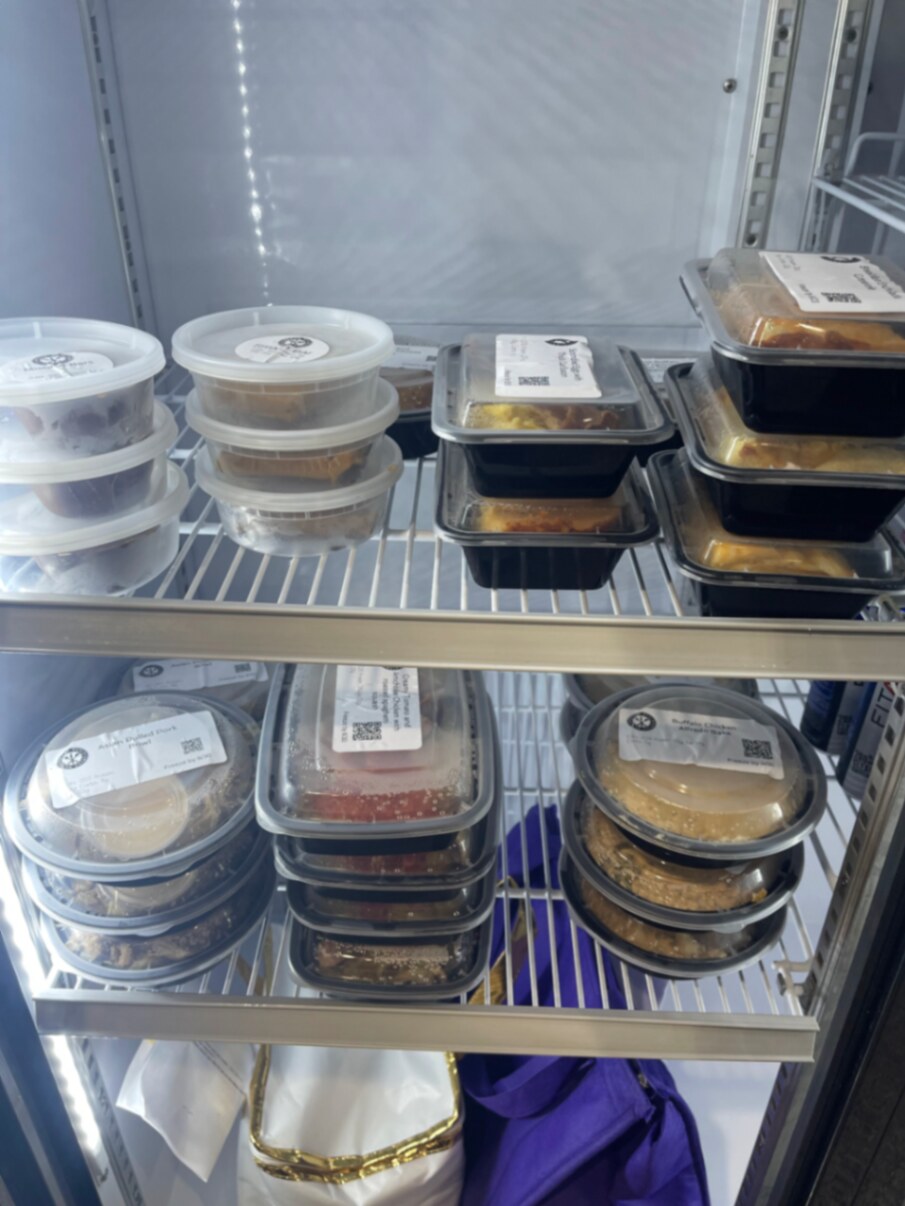
You find a meal that looks right. It is gluten-free, convenient and something you would actually enjoy. Then comes the second question: does it also meet your milk-allergy needs?
That is a separate check. A business can specialize in gluten-free food while using milk in other dishes. The most useful order starts with a clear description of what you need.
1. Have I named the right restriction?
Tell the kitchen whether you have a milk allergy, lactose intolerance or a preference to avoid dairy. These terms should not be used interchangeably.
NIDDK explains that lactose intolerance involves difficulty digesting milk sugar; milk allergy involves an immune response to milk proteins. A lactose-free dairy product is therefore not automatically suitable for someone with a milk allergy.
If you also need gluten-free food, state both requirements together. Do not assume that a note from an earlier order describes what you need today.
2. What is in this exact meal?
Check the whole selection: main dish, vegetables, starch, dressing, sauce, garnish and any optional add-on. A dish name or photograph is a starting point, not a complete ingredient list.
The FDA’s food-allergy guidance includes a simple instruction: “Always read food labels.” It identifies milk as a major allergen and shows that milk may be declared through an ingredient name or an accompanying allergen statement. Whey is one example of an ingredient derived from milk.
Ask about the exact version you are buying. Changing the sauce, side or size can change what comes with the meal.
3. What preparation practices apply to milk?
Ask how the kitchen handles milk-containing ingredients and whether it can meet your particular needs. A gluten-free production process answers a gluten question; it does not establish that the same kitchen excludes milk.
At SmashMeals, the kitchen is dedicated gluten-free, but it is not free of every allergen. Our catering guidance asks customers to share other ingredient restrictions before ordering so the proposed menu can be reviewed.
Use the same direct conversation for an individual meal. If the kitchen cannot confirm a suitable option, choose another option consistent with your allergy care plan.
4. What happens if something changes?
Ask whether your order could receive a replacement dish, sauce or ingredient. Explain that any replacement needs to meet both your gluten-free and milk-allergy requirements.
A useful message is:
I need gluten-free food and have a milk allergy. Please review this exact meal, including its sides, sauce and garnish, and tell me whether your ingredients and preparation practices can meet those needs. Please contact me before making a substitution.
This is an example request—not a promise that a particular kitchen can accommodate it. Give the team enough time to answer before you commit.
5. Does the meal I received match the answer?
On arrival, check the dish name, selected option and label against the confirmed order. If something differs or remains unclear, contact the business before eating it. Keep any written confirmation with the order details so another family member can follow the same plan.
For a shared dinner, identify who needs which meal before containers are opened. Clear names on individual containers can make the handoff easier.
What each claim tells you
| Claim or information | What still needs confirmation for a milk allergy |
|---|---|
| Gluten-free | The exact meal's milk ingredients and the kitchen's milk-handling practices. |
| Lactose-free dairy | Milk proteins can remain; lactose-free does not establish suitability for a milk allergy. |
| A previously suitable order | Today's recipe, add-ons, preparation and any substitutions. |
Choose with clear information
Start at the current SmashMeals menu and review the details for the meal you want. Learn about our dedicated gluten-free kitchen, then ask separately about milk and any other relevant allergen.
You do not need to apologize for asking a precise question. A good meal order should leave you knowing what was agreed—not trying to decode it at dinnertime.