By SmashMeals Editorial — 2026-09-18 — Health & Nutrition
The short answer
GF Blends announced a nationwide recall on Sept. 18, 2026 after products made with plantain flour labeled or certified gluten-free tested significantly above the FDA's limit of less than 20 parts per million of gluten. No adverse health effects had been reported as of Sept. 17, according to the company announcement posted by FDA.
Key facts
- The recall covers specified lots of Truly AIP and EAT G.A.N.G.S.T.E.R. mixes.
- FDA's gluten-free definition requires less than 20 ppm of gluten.
- FDA posted the company's announcement and states that posting is not an endorsement.
- SmashMeals can document a dedicated gluten-free kitchen, not undisclosed certification or supplier-testing protocols.
KINGSPORT, Tenn., Sept. 18, 2026 — GF Blends recalled specified lots of Truly AIP All Purpose Flour, Truly AIP Bread Mix and EAT G.A.N.G.S.T.E.R. Flat Bread Pizza Mix because of potential undeclared wheat gluten. The company announcement posted by FDA says the plantain flour used in the products had been labeled and certified gluten-free, but independent third-party testing found gluten and the recalled products tested significantly above FDA's threshold.
SmashMeals is a prepared-food company, not a medical provider. Food and nutrition decisions involving a health condition or medication should be individualized with a clinician or registered dietitian.
What was recalled—and what was reported
The official notice lists affected products, lot numbers and best-by dates. Consumers should use that FDA recall page rather than relying on a shortened social post. The announcement says no adverse health effects had been reported as of Sept. 17, 2026.
This was a company announcement posted by FDA as a public service. FDA explicitly notes that posting a recall announcement is not an endorsement of the company or product.
The FDA definition: less than 20 parts per million
FDA explains that foods carrying a voluntary “gluten-free,” “no gluten,” “free of gluten” or “without gluten” claim must meet the agency's definition. Among its requirements, the food must contain less than 20 parts per million of gluten. FDA chose that level in part because validated analytical methods can reliably detect gluten at that concentration in foods.
The agency's plain-language explainer, “Gluten-Free Means What It Says,” is the appropriate source for the rule—not a marketing interpretation.
What a label can and cannot communicate
A compliant label communicates that a food meets a federal definition. It does not, by itself, describe every sourcing decision, facility practice or testing step behind the package. This recall is a concrete example of why ingredient supply chains and verification matter: the company reported that a supplied plantain flour represented as gluten-free was the source under investigation.
That does not justify claiming that all certified ingredients fail, or that a dedicated facility alone solves every possible supply-chain issue. It does support asking precise questions instead of treating “gluten-free” as a vague wellness phrase.
Why this matters for celiac disease
The NIDDK explains that people with celiac disease need to avoid gluten and often work with a dietitian to understand labels and build a nutritionally adequate diet. Anyone who may have consumed a recalled product and has health concerns should contact their own clinician.
Dedicated preparation and transparent limits
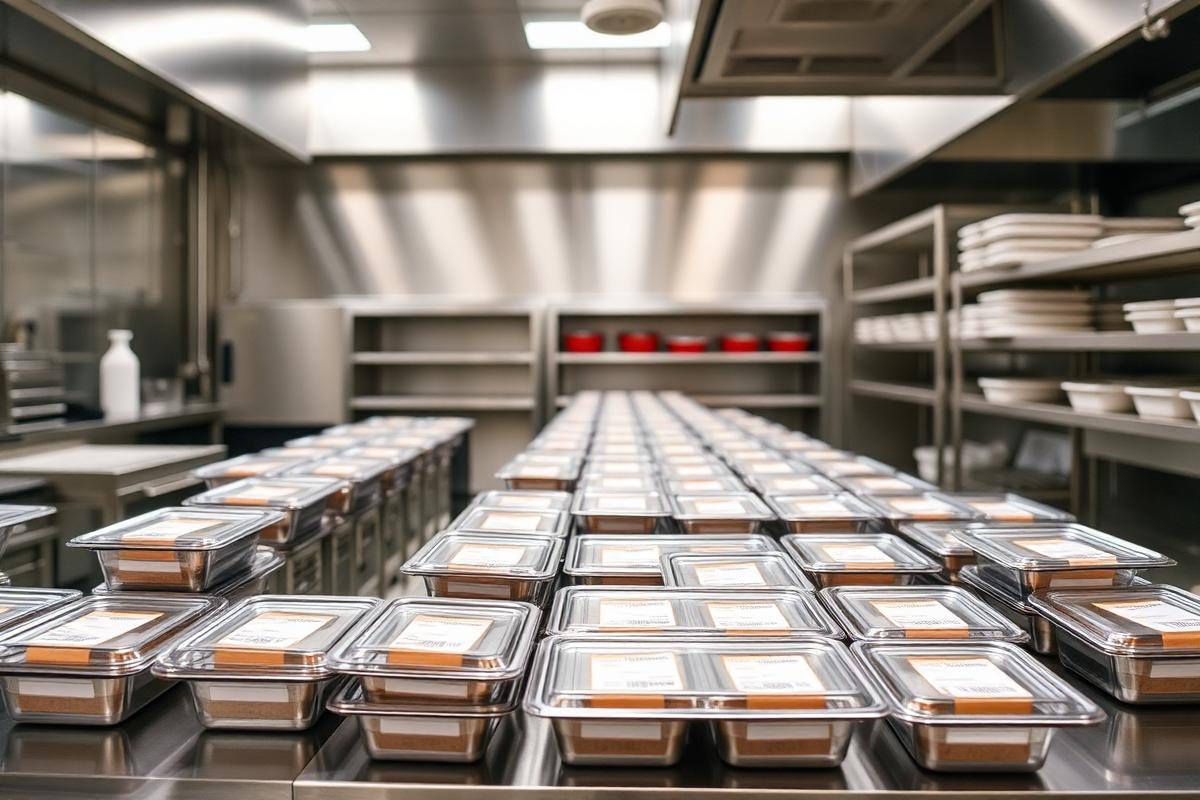
SmashMeals prepares food in a dedicated gluten-free kitchen in Kingsport. That means gluten-containing ingredients are not part of our production environment. It is a meaningful operational fact, but this article will not turn it into an undocumented testing, certification or zero-risk claim.
Current meal ingredients and macros are available through the weekly menu. Other allergens may be present, so each customer should review the information for the specific meal.
Commentary, not medical advice
The SmashMeals perspective
A recall like this reinforces why shoppers ask both what a label means and how food is prepared. SmashMeals operates a dedicated gluten-free kitchen in Kingsport, Tennessee. We are not adding claims about certification, finished-product testing or supplier protocols that we have not documented publicly. Customers should review each meal's ingredient and allergen information for their own needs.
Frequently asked questions
What does FDA require for a gluten-free label?
A food labeled gluten-free must meet FDA's definition, including containing less than 20 parts per million of gluten.
Does a recall mean every gluten-free product is unsafe?
No. A recall identifies particular products or lots. Consumers should use the affected-product details in the official notice rather than generalizing to all gluten-free foods.
Is SmashMeals certified gluten-free?
This article makes no certification claim. The documented fact is that SmashMeals operates a dedicated gluten-free kitchen in Kingsport, Tennessee.
Sources & experts referenced
Sources are included for verification. No expert listed here endorses SmashMeals.
- GF Blends recalls Truly AIP and EAT G.A.N.G.S.T.E.R. mixes — U.S. Food and Drug Administration
Why it matters: The FDA-posted company announcement identifies affected products, the reported plantain-flour issue, test result characterization and adverse-event status. - Gluten-Free Means What It Says — U.S. Food and Drug Administration
Why it matters: Explains the federal definition and the less-than-20-ppm threshold for foods labeled gluten-free. - Eating, Diet, & Nutrition for Celiac Disease — National Institute of Diabetes and Digestive and Kidney Diseases
Why it matters: Provides patient guidance on a gluten-free diet and individualized work with health professionals.