By SmashMeals Editorial — 2026-09-21 — Prepared Food Trends
The short answer
Reuters' Sept. 21 overview describes a widening obesity-drug race led by Novo Nordisk and Eli Lilly and joined by multiple developers pursuing new injections, pills and mechanisms. For food businesses, the better-supported implication is not a drug-market forecast—it is separate Circana and PwC evidence that protein interest, home eating, grocery spending and support routines are changing among surveyed consumers.
Key facts
- Reuters describes an expanding development pipeline, not a list of approved future winners.
- Its roughly $100 billion annual-market figure is an analyst estimate cited by Reuters.
- Circana and PwC offer separate consumer context; neither predicts a specific drug's success.
- This article is food-industry analysis, not medical or investment advice.
KINGSPORT, Tenn., Sept. 21, 2026 — The obesity-drug field is becoming more crowded. A Reuters overview catalogs programs from established leaders and newer competitors pursuing pills, injections and additional biological targets.
SmashMeals is a prepared-food company, not a medical provider. Food and nutrition decisions involving a health condition or medication should be individualized with a clinician or registered dietitian.
This is also not investment advice. Development programs can fail, timelines can move and market forecasts are estimates rather than outcomes.
What the Reuters overview establishes
Novo Nordisk and Eli Lilly remain central to the current market, while other developers are trying to compete on route of administration, tolerability, weight outcomes, muscle preservation and additional health indications. Reuters says analysts expect the sector could reach roughly $100 billion in annual sales in the next decade.
That number should remain attributed to the analysts cited by Reuters. It is not a fact about future revenue, and it does not tell consumers which drug—if any—is appropriate for them.
A development pipeline is not an approval list
Early and late-stage programs have different amounts of evidence behind them. A promising trial result does not guarantee regulatory approval, insurance coverage or routine clinical use. Even approved medicines have labels, contraindications and individualized risk-benefit decisions.
The responsible food-industry question is therefore not “Which drug wins?” It is “What changes are already visible in how surveyed people shop and eat?”
Circana: protein, convenience and home eating
Circana's 2026 report says 86% of food occasions are sourced from home, 48% of adults want more protein, and 65% of GLP-1 users want more protein. It also reports GLP-1 use as a diet type among 8.5% of adults in its data.
These are proprietary industry measures, not medical findings. They show where consumer attention is moving, not what an individual should eat.
PwC: support routines are still fragmented
PwC's U.S. consumer research reports that 21% of households in its research included a current GLP-1 user, grocery spending was down 5.5% among users or households as PwC describes it, and 80% of current users said they were piecing together support routines or products.
Those findings suggest a fragmented consumer experience. They do not establish that one food, supplement or service improves medication outcomes.
What this means for food companies
The durable opportunity is less dramatic than the drug-market headlines: make smaller eating occasions easier to plan, make nutrition information easier to compare, and avoid presenting food as treatment. That applies to grocery retailers, restaurants and prepared-meal companies alike.
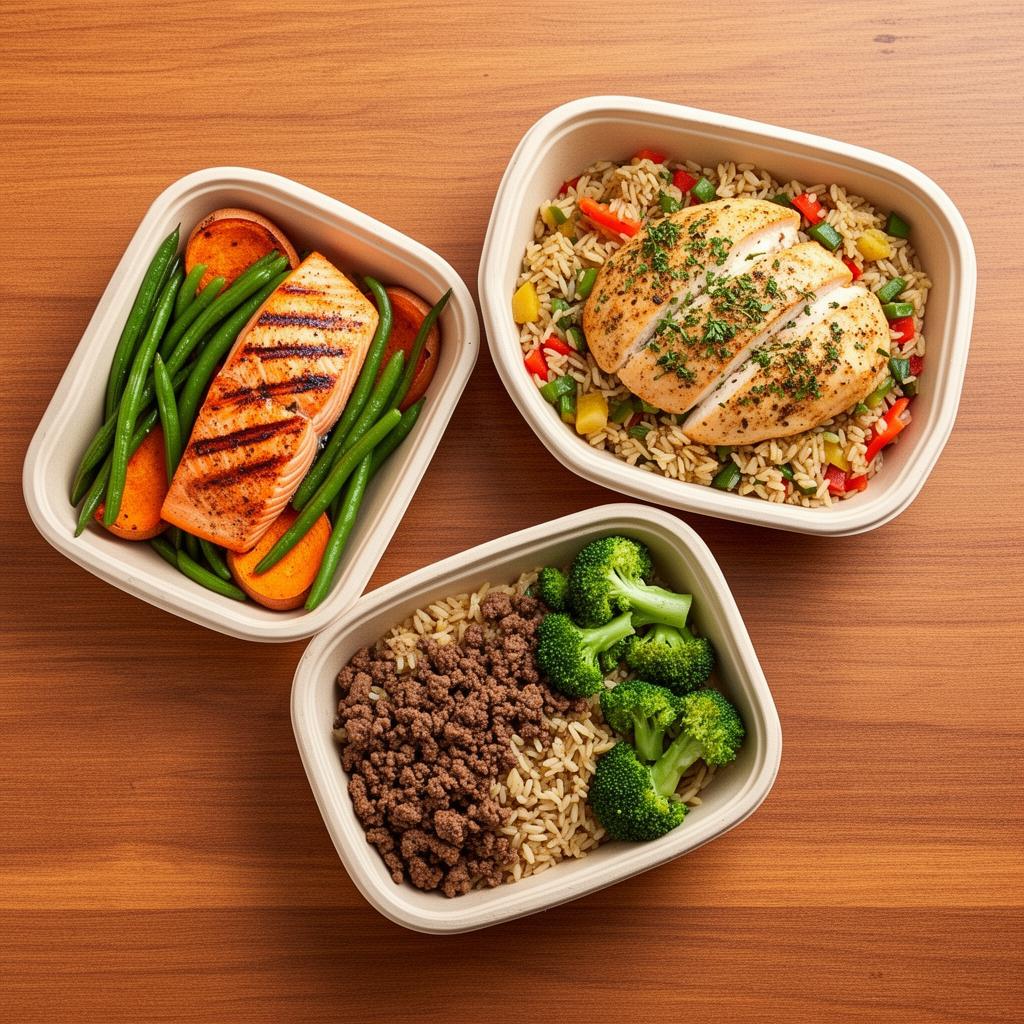
SmashMeals' contribution is a plain-language GLP-1 resource, protein-forward menu choices, full macros and prepared food from a dedicated gluten-free kitchen. The weekly model is a convenience service, not a clinical program.
Commentary, not medical advice
The SmashMeals perspective
A larger drug pipeline creates more reasons for food companies to listen, but not to medicalize ordinary meals. SmashMeals can responsibly offer prepared food, smaller options, protein-forward choices and visible macros. It cannot predict which medicine will be approved, promise an outcome or turn “GLP-1 friendly” into a clinical certification.
Frequently asked questions
Is the projected $100 billion market guaranteed?
No. Reuters attributes the figure to analyst expectations. Forecasts depend on approvals, competition, pricing, coverage and adoption.
Does this article recommend any weight-loss drug or company?
No. It summarizes a competitive landscape and focuses on food-consumption implications. It is not medical or investment advice.
How should food companies use the term GLP-1 friendly?
Carefully. SmashMeals uses GLP-1 meal options to mean practical features such as protein-forward choices, smaller options, prepared food and full macro labels—not an FDA-defined standard or treatment claim.
Sources & experts referenced
Sources are included for verification. No expert listed here endorses SmashMeals.
- Weight-loss drug developers line up to tap lucrative market as competition heats up — Reuters
Why it matters: Independent reporting overview of the competitive obesity-drug pipeline and an analyst market estimate. This article does not reproduce Reuters' prose. - GLP-1 consumer trends — PwC US
Why it matters: Provides separate U.S. household research on use, grocery spending and support routines. - Protein and convenience influence America's evolving eating patterns — Circana
Expert referenced: David Portalatin, Circana food and foodservice industry advisor
Why it matters: Provides food-consumption context around protein interest, home eating and GLP-1 diet reporting.